Hood Cleaning,
Done Right
Restaurant hood cleaning in Cherry Hill, NJ that meets fire code and keeps health inspectors satisfied.
Get a Free Quote for Your Kitchen
Tell us about your system and we will get back to you within one business day with a quote. No commitment required.
- NFPA 96 compliant cleaning with signed documentation
- After-hours scheduling so you don't lose a shift
- Service report ready for fire marshal and insurance files
- Serving Cherry Hill and all of Camden County
Kitchen Exhaust Cleaning You Can Schedule and Forget
Cherry Hill Restaurant Hood Cleaning handles the full exhaust system — hood, ducts, fan, grease trap, and filters. One call covers your entire code compliance schedule.
Our Services
Hood Cleaning
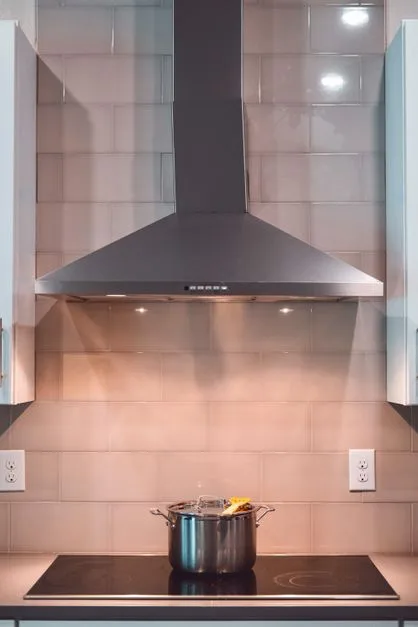
Full degreasing of hood, baffles, and interior plenum. Removes the grease load that causes kitchen fires.
Exhaust Fan Cleaning
Rooftop fan blades, motor housing, and containment tray cleaned to restore proper airflow.
Grease Trap Cleaning
Pump-out and clean to prevent backups, odors, and code violations.
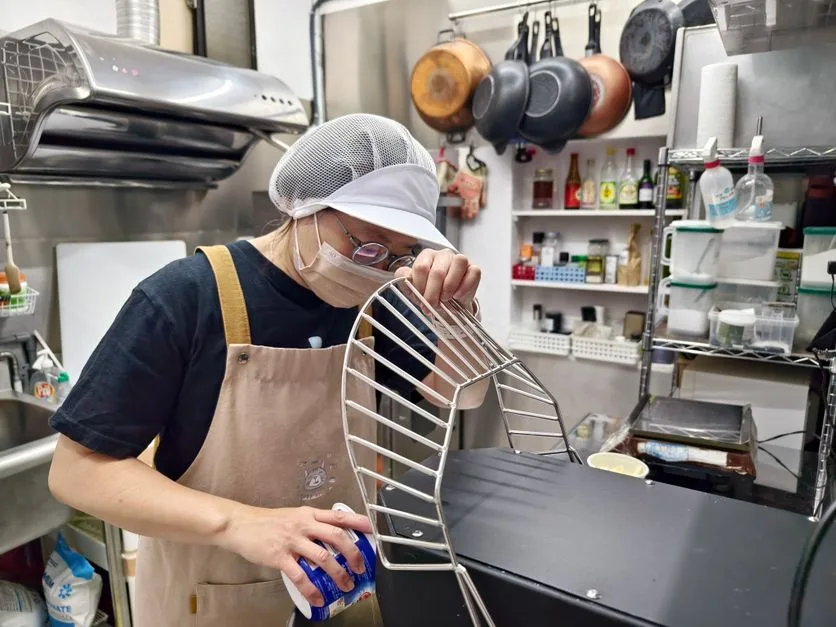
Filter Exchange
We swap dirty baffle filters for clean ones. No waiting, no downtime — done on your schedule.
How a Cleaning Visit Works
Most visits are scheduled after service hours so your kitchen is back in operation the next morning.
Schedule
Call or text to book. We confirm the date, arrival window, and what system components will be cleaned. You get a written scope before we arrive.
We Clean
Crew arrives after your last service. We lay protective covers, degrease from the hood down to the fan, and dispose of all collected grease on-site.
You Get Documentation
At the end of every visit you receive a signed service report and certificate showing the date cleaned, areas covered, and technician name — ready for your next inspection.
Who We Serve
Restaurant Hood Cleaning in Cherry Hill: Why It Cannot Wait
Cherry Hill is one of the busiest dining markets in South Jersey. Between the Route 70 and Route 38 corridors, the town packs in national chains, independent kitchens, and everything in between, and almost none of it slows down for the season the way a shore-town kitchen does. That steady, year-round volume is good for business and hard on an exhaust system — grease builds up on a predictable schedule whether it is January or July.
A kitchen hood exists to do one thing: capture grease-laden air above the cooking line and carry it outside before it settles. Skip the cleaning and that grease does not disappear — it collects inside the hood, migrates into the ductwork, and coats the exhaust fan on the roof. Left long enough, it stops being a maintenance issue and becomes fuel sitting next to an open flame.
NFPA 96 is the national standard that sets minimum cleaning frequency for commercial kitchen exhaust systems, and Camden County kitchens answer to it the same as anywhere else in the state. A kitchen running solid-fuel cooking or a wok station is typically on a monthly cycle. A more typical Cherry Hill menu — burgers, fryers, a flat top — usually falls under the quarterly baseline. None of this is a suggestion: your fire marshal, your insurance carrier, and most health inspectors will all want signed proof that the cleaning happened on schedule.
There is also a cost to ignoring it that has nothing to do with fire risk. Grease-clogged baffle filters force the exhaust fan to work harder to move the same volume of air. That shows up as a hotter line, higher utility bills, and a fan motor under more strain than it should be. Cleaning the system as a whole — hood, baffles, duct, and fan — is what keeps airflow where it belongs.
Why a Full-System Cleaning Beats a Hood-Only Job
Most kitchens are better served booking the hood, duct, and exhaust fan together rather than piecemeal. Grease does not stop at the canopy — it travels the whole path, and a hood-only cleaning leaves the rest of that path dirty. If you are also due for a grease trap pump-out, we can combine both on the same after-hours visit so your kitchen only loses one night, not two.
Filter exchange runs on its own, tighter cycle for kitchens that generate grease faster than a quarterly hood cleaning can keep up with. Instead of scheduling a full degreasing appointment every time the baffles saturate, we swap in a clean set and take the dirty ones with us. It is a fast fix that keeps the system from falling behind between full cleanings.
Signs Your System Needs Attention Before the Inspector Shows Up
Waiting for a failed inspection to trigger a cleaning is a bad strategy in a market this competitive — a shut kitchen on a Friday night in Cherry Hill costs real revenue. There are warning signs worth acting on first.
Grease dripping or pooling at the edges of the hood is the clearest signal. If it is visible on the outside of the canopy or on equipment underneath, the interior is worse. Smoke that hangs over the line longer than it used to, without any change in cooking volume, usually points to a partially blocked duct or fan. On the roof, a dark ring on the membrane around the fan housing means the grease containment tray has already overflowed.
Inside the building, a sulfur smell rising from floor drains — worse on hot days — is a grease trap nearing capacity, not something a drain cleaner will fix. A grease trap pump-out is the only real solution once that odor shows up.
What a Real Cleaning Crew Actually Does
A proper hood cleaning is not a quick wipe with a rag — plenty of operators in this market have had that experience with a cut-rate crew and paid for it at the next inspection. Ours starts with a pre-clean inspection to gauge grease load and flag mechanical issues. We lay drop covers to protect the line, apply a commercial-grade hot degreaser, let it dwell, then scrub and pressure-rinse everything from the hood canopy down through the duct to the rooftop fan. Every bit of grease we remove leaves the property with us — none of it ends up in your drains or on your roof.
Every visit ends with a signed service report listing the technician, date, areas cleaned, and anything we found that needs follow-up. Keep it with your health permit and fire suppression records — it is exactly what a fire marshal asks to see at inspection.
When Not to Call Us
Cleaning cannot fix a system that was installed wrong in the first place — undersized ductwork, a fan that cannot keep up with the BTU load, makeup air that is badly out of balance. We will tell you exactly what we see during the inspection, but correcting a mechanical or installation problem is a job for an HVAC contractor, not a cleaning crew, and we will say so rather than pretend a degreasing will solve it.
We also do not work on residential range hoods. Our crew and equipment are built for commercial volume. A home kitchen or a very small café running a recirculating hood is not a good fit for us, and we would rather tell you that up front than take the job.
Cleaning requirements are governed by NFPA 96 and enforced locally by the NJ Division of Fire Safety. For grease trap requirements, refer to the EPA's FOG prevention guidance.
Frequently Asked Questions
How often does a restaurant hood need to be cleaned in New Jersey?
NFPA 96 sets the minimum frequency based on cooking volume and fuel type, and Cherry Hill kitchens fall under the same statewide rule as anywhere else in New Jersey. A Route 70 diner running fryers and a flat top most of the day typically lands on a quarterly schedule. A busier concept doing wok cooking, charbroiling, or solid-fuel grilling usually needs monthly cleaning. Your local fire marshal has the final say for your specific address.
What does an NFPA 96 compliant hood cleaning include?
A compliant cleaning covers the hood canopy, grease collection trough, baffle filters, accessible duct interior, and rooftop exhaust fan. The crew removes all accumulated grease and leaves you a signed service report documenting the date, areas cleaned, and technician name — the exact record Cherry Hill Township's fire inspectors look for at renewal time.
Do you serve restaurants outside of Cherry Hill?
Yes. We work throughout Camden County — Voorhees, Marlton, Haddonfield, Collingswood, Pennsauken — plus nearby parts of Burlington and Gloucester counties. Most jobs are within a 30-minute drive of Cherry Hill along the Route 70 and Route 38 corridors.
What happens if a kitchen hood fails a fire inspection in NJ?
A failed inspection typically results in a notice of violation and a deadline to correct the deficiency. If grease buildup is the issue, a cleaning and re-inspection is required before the kitchen can be cleared. In serious cases the fire marshal can order the kitchen closed until the hazard is corrected. Current service documentation on file is the simplest way to avoid that outcome altogether.
Can you clean a grease trap and the hood system in the same visit?
Yes. Combining hood cleaning and grease trap pump-out in a single after-hours visit cuts down on downtime and coordination. We bring the equipment for both jobs and can usually finish both in one night, which matters in a market like Cherry Hill where kitchens are running close to back-to-back shifts most of the week.
Service Area
We are based in Cherry Hill and focus on Camden County kitchens — Voorhees, Marlton, Haddonfield, Collingswood, Pennsauken, and the rest of the Route 70 and Route 38 corridors. If your kitchen is just outside that footprint, call and we will let you know if we can make it work. Under the same ownership, we also cover the Atlantic County market through our Egg Harbor Township Restaurant Hood Cleaning site, for restaurants closer to the shore.
Ready to Schedule?
Call during business hours for a quote. We can usually schedule within the week for most locations in Camden County.
Mon–Fri 7am–9pm · Sat 8am–9pm